

Gen Z Learners- Learning Redefined for a Brand New Era
- 2026-01-17
- 3 Com
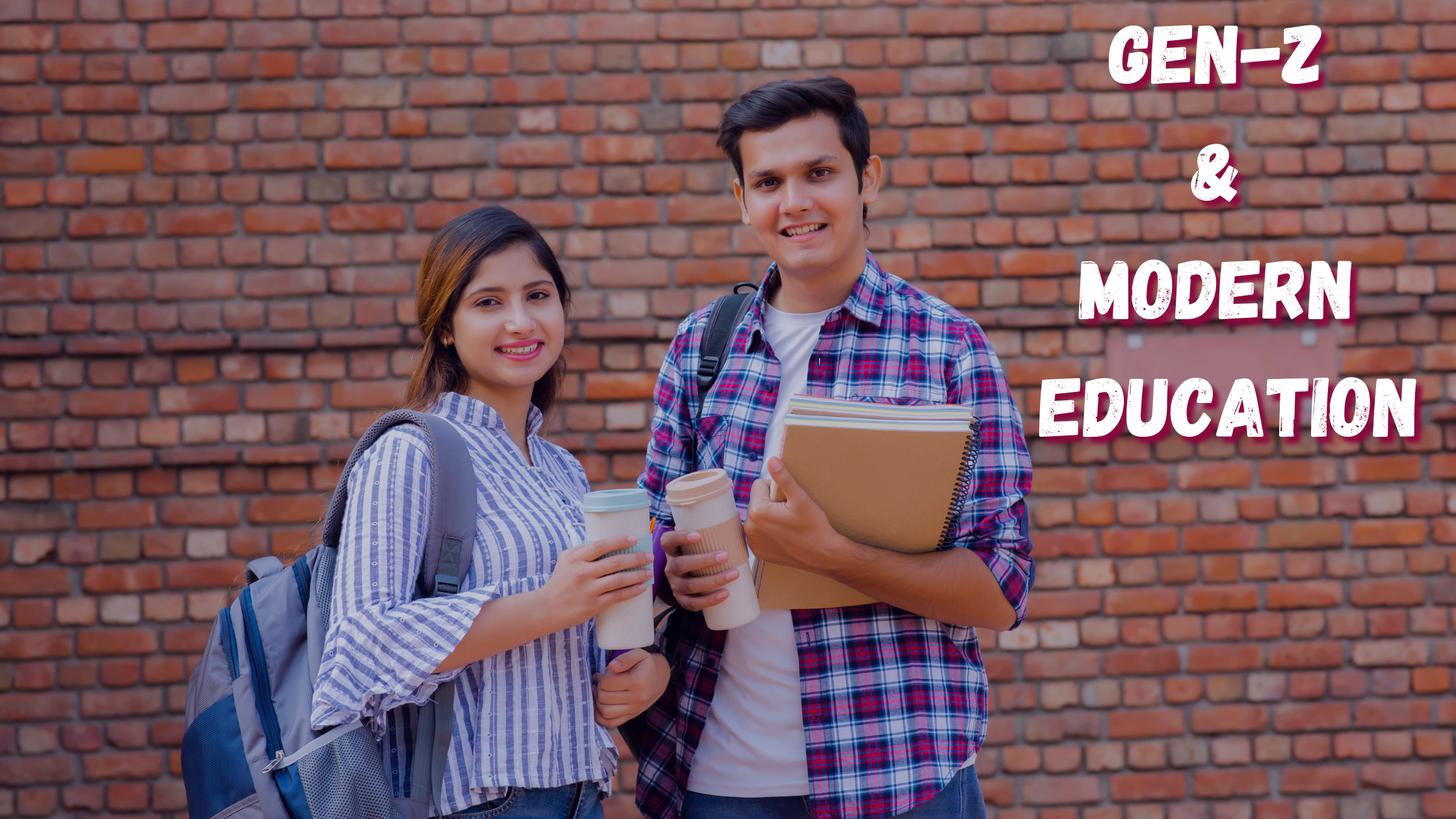
For the longest time, it was always presumed that the way to succeed in life is quite simple: go to college, secure a job, and then climb your way up in your profession. However, Gen Z is rewriting this script. They are the first-generation individuals who are enveloped in digital technology from the very beginning of their lives.
They learn by watching YouTube video tutorials instead of reading books, and using apps instead of attending classes. At the same time, they are proving to the world that one does not need school to be educated. It could be in their hands.
The Old Definition of Success is Crumbling
Once upon a time, getting a degree was considered the absolute key to success. If the parents received the diploma first, they would proudly hang it on the wall; employers would use it to sort candidates; and society would associate education with getting a job.
But nowadays, it’s somewhat different. A large number of motivated Gen Z learners are gradually realizing that there is no established route to learning. Thanks to the internet, in a moment one can satisfy both curiosity, and chance has become a colossal worldwide classroom.
Here, success is not defined by the position one has, but rather by the value one contributes from one’s knowledge and abilities.
From Chalkboards to Choice Boards
The education system had long followed a predictable model: a syllabus that had to be followed to the letter, uniform teaching practices, and similar tests administered to all students. The model expected all pupils to learn in the same way and at the same rate.
Gen Z realized the fault in the system early on. They grew up with algorithms that recommended music and content based on individual preferences, and they expect the same level of personalization in education.
Gen Z learners demand choice. Students want to follow learning pathways aligned with their interests, strengths, and long-term objectives. A student interested in studying climate change doesn’t want to wait 5 to 10 years to begin. Personalization is the new norm.
Technology as a Learning Partner and Not a Distraction
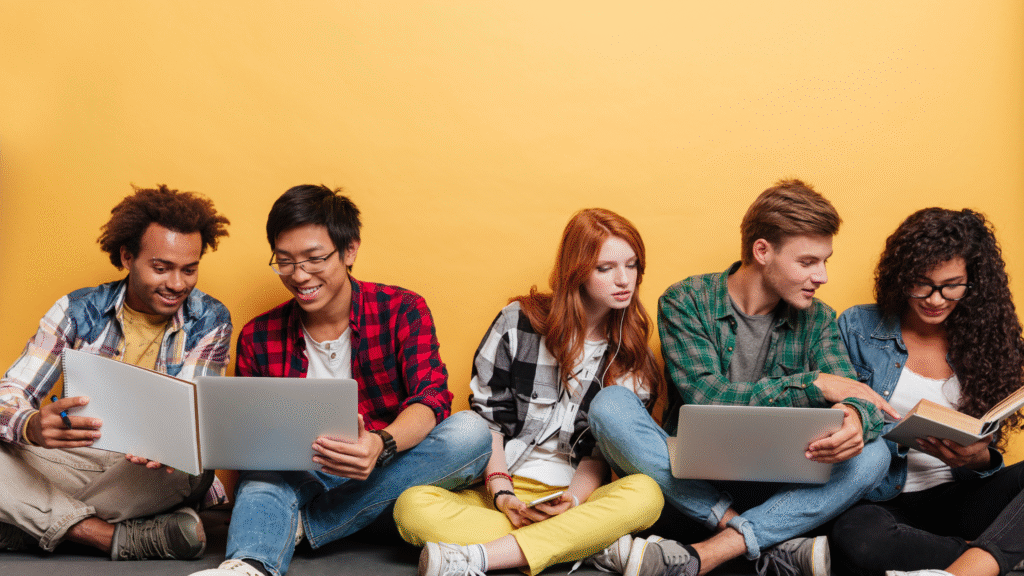
Often referred to as “screen-addicted,” Gen Z is, in truth, “screen-smart.” This generation uses technology not just for fun and entertainment purposes but also as a means to an end. Gen Z learning ways that include adaptive learning platforms, AI assistants, and data visualization dashboards are transforming the learning experience for Gen Z learners.
Applications such as AI-powered math solutions change the level of difficulty based on real-time assessments to keep the learners engaged without overwhelming them.
They don’t merely listen to lectures as the Millennials and Gen X did. They are engaged through simulation activities, quizzes, and experiences. Learn by doing through the aid of technology, which enables them to test their ideas and get instant results and feedback. They learn through a conversation, not a lecture.
Experience over Memorization
If you ask a Gen Z student what is more important, marks or mastery, the response would be quite obvious. In fact, this generation is focused on acquiring skills that can be directly used in the real world. In their opinion, memorizing facts for the exams is an old-fashioned way when the needful information is just a search away. The key thing is figuring out how to use knowledge.
Gen Z can really relate to internships, apprenticeships, freelancing, and project-based learning. They do not crave explanations only, but also exposure. Working on a website, managing a digital campaign, gathering and interpreting data, or starting a small business are undoubtedly more educational than merely reading chapters. In fact, the question that education should answer for them is: “How will this help me in real life?”
The Rise of Self-Directed Learners

Gen Z is not the type to sit back and wait for instruction; they dive into their learning journey independently. Tutorial videos on YouTube, discussion platforms on the internet, podcasts, and digital communities have gradually become equivalent to a school setting. Whether it is a teenager, they can learn graphic design from creators anywhere in the world, gain coding skills through open-source platforms, or study finance through podcasts, for example, while commuting.
This self-directed educational journey has altered educators. Teachers, in addition to being the main source of information, are now considered mentors, guides, and facilitators. Gen Z admires an educator who, instead of providing rigid instruction, promotes curiosity, critical thinking, and independent exploration.
Micro-Credentials, Macro Impact
Those before us saw a straight line to success: school, university, degree, job. Gen Z, however, is aware of different ways. Learners increasingly accept microcredentials, online certifications, and skill-based courses because they are focused, affordable, and quick to complete.
Why would you need to spend many years and a lot of money on a degree when a short, concentrated course could open up freelance or entry-level roles for you? Gen Z being very down, to, earth, the platforms that offer skill badges and professional certificates are exactly what they want. They don’t totally disown degrees; they don’t consider them the only option.
Learning is entertainment
Gen Z integrates learning into everyday life rather than treating it as a separate activity. They listen to podcasts while working out, watch documentaries while relaxing, and view explainer videos before sleeping, blending education and entertainment seamlessly.
It doesn’t imply that Gen Z is unfocused; it simply means that they are different learners. A few pieces of content, storytelling, visuals, and examples from everyday life help them to remember the information. When learning is fun and relevant, people become consistent naturally
Mental Health and Flexible Learning
Gen Z is revolutionizing the learning culture by prioritizing well-being. They openly discuss topics such as stress, burnout, and anxiety—subjects that academic circles previously overlooked or avoided. Tight timetables and very stressful surroundings appear to defy their ideologies.
Educators and institutions advocate adaptive learning models, supportive environments, and systems that recognize mental wellness as a critical factor in success. They view taking breaks, maintaining balance, and establishing boundaries not as signs of weakness but as pathways to long-term progress.
Educators in the Age of Gen Z
Teaching Gen Z requires a different approach. Only the best coaching institute in Dehradun follows it. Simply being an authority figure won’t win students’ respect; it’s being a real person that does. Teachers who pay attention to their students, change, and try new things are the ones who get the best response from Gen Z.
They value educators who tell the truth, work together, and use new teaching methods to make learning meaningful to them. They look for teachers who facilitate questioning, are open to students’ feedback, and agree that learning is mutual. Gen Z prospers when teachers change.
Final Thoughts!
Gen Z learners are not less interested in education; rather, they expect more from it. They are looking for education that has some substance, empowers them, helps them express their creativity, and treats them with some decency. Instead of preparing them for living, Gen-Z students believe that education itself is part of living.
Gen Z is creating a new education framework by changing how, where, and why we all learn. They are developing a new level of understanding of the individual through their uniqueness, experience, and impact. Thus, they not only learn differently; they also expose the world to the way they should learn.
Because for Gen Z, education isn’t about fitting into a system.
It’s about designing one that actually works.
Frequently Asked Questions
It allows them to study and work as interns, freelance, or create personal projects. Self-pacing removes stress and enables one to review and examine troublesome areas where necessary.
Gen Z recognizes stress and burnout and encourages a balanced approach to their environments. Adaptive schedules and a focus on systems and education for well-being will help them learn more efficiently.
Gen Z is reshaping education to put personalized, skill-based, experiential learning above traditional rote learning. They prefer flexible learning routes, real-world applicability, and technology-driven platforms.
Technology serves as a learning partner for Gen Z. AI-driven platforms, online courses, simulation-based learning, podcasts, and digital communities facilitate an interactive, self-paced, engaging learning experience.
For Gen Z, real-world preparedness comes through hands-on experience. Internship projects, freelancing, and apprenticeships let them put knowledge to work immediately, build job-ready skills, and try on careers early, in many cases delivering more value than purely theoretical learning.



Leave a Reply