



Hack The Future: Why Cybersecurity is Booming?
- 2026-02-23
- 2 Com
The digital world runs on trust. We live in a world where almost everything is connected to the internet.
Every time we send a text, make an online payment, or store photos in the cloud, we believe our data is safe. But as convenience grows, so do risks. Cyberattacks, data leaks, online fraud, and identity theft are becoming more common than ever before, and because of this rising threat, cybersecurity has moved from being an optional IT skill to an essential global necessity. Organisations, governments, and individuals all need cyber protection, and that begins with a skilled cybersecurity professional.
Rising Cybercrimes and the Need for Cybersecurity
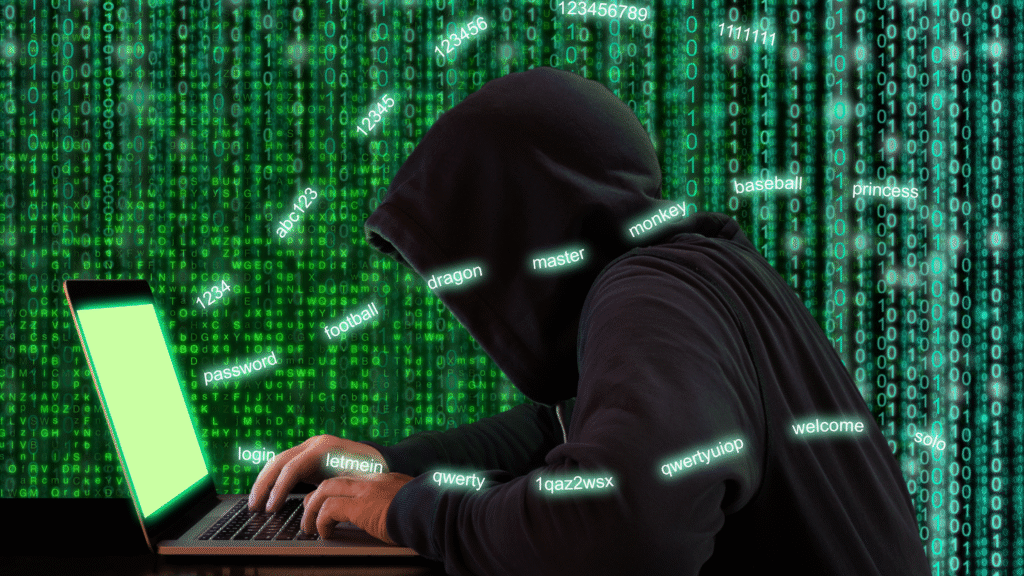
In this modern digital world, threats don’t knock – they hack, phish, and breach. According to the US Agency for International Development, the worldwide cost of cybercrime was around $8 trillion in 2023. They predict that the value will exceed $23 trillion by 2027. This shows how digital transformation has touched nearly every industry.
Banking, healthcare, education, retail, transportation, and even small local businesses rely on online systems and cloud-based platforms. While this digital transformation has made our day-to-day life easier, it has also created a pathway for cybercriminals.
As more data moves and is stored online, every connected device, server, or application can become a target if not properly secured. Companies are no longer asking if they need cybersecurity experts; they are asking how many they need and how quickly they can hire them.
The Scale of Modern Cybercrime
Cyberattacks are no longer just a threat to large corporations or government agencies; small businesses, start-ups, educational institutions, and even individuals are frequent targets. A single cyberattack can result in significant financial losses, reputational damage, and legal consequences. These attacks are not rare or occasional but rather continuous and global.
- A cyberattack occurs approximately every 39 seconds.
- The average cost of a data breach globally exceeds $4 million.
- Millions of records are exposed each year.
- Ransomware attacks have increased significantly in recent years, forcing businesses to pay large sums to regain access to their systems.
- Cloud-based systems are facing threats as well, since all the company data is shifting online.
Why is Cybersecurity Essential Today?
Cybersecurity protects more than just software and systems. It protects trust, stability, and lots of finances. When security fails, it is not just data that is lost but confidence. Here’s why cybersecurity matters:
- Protection of Personal Data
Cybersecurity safeguards sensitive information such as passwords, financial details, medical records, and personal identities from misuse or theft.
- Financial Security
Effective security systems reduce the risk of fraud, ransomware attacks, regulatory fines, and costly legal consequences.
- Digital Confidence and Innovation
Secure systems enable businesses to adopt new technologies such as cloud computing and artificial intelligence without hesitation.
- National Safety
Governments rely on cybersecurity to protect public infrastructures, defense systems, and sensitive national data.
Building Your Career in Cybersecurity
Cybersecurity is not just about sitting behind screens and typing code in the dark. It is about understanding systems, anticipating risks, and staying one step ahead of digital threats.
How to become a Cybersecurity Professional?
To build a successful career in cybersecurity, you need more than just technical knowledge. You need a combination of mindset and skill. If you are considering entering this field, here’s what it truly involves –
- Strong Technical Foundations
Understanding networks, operating systems, and how digital infrastructure functions.
- Knowledge of Security Tools
Learning to use vulnerability scanners, monitoring systems, and threat detection tools effectively.
- Analytical Thinking Skills
Recognising unusual patterns before they escalate into serious security incidents.
- Problem-Solving Ability
Acting quickly and decisively when a security threat emerges.
How to Enter the Cybersecurity Field?

Breaking into cybersecurity may seem challenging, but with the right skills and strategy, it’s highly achievable. Here’s how you can start your journey.
- Master the Basics
Build foundational knowledge in networking, system architecture, and digital security concepts.
- Enroll in Cybersecurity Course
Gain guided hands-on training that bridges the gap between theory and real-world scenarios. In fact, most serious learners prefer enrolling with reputed coaching centers, including Best Coaching Institute in Dehradun, among others.
- Gain Practical Experience
Cybersecurity is not mastered by watching tutorials alone. Practical exposure may involve: Lab-based exercises, Internship opportunities, and Live security monitoring projects.
- Earn Recognised Certificates
Certificates act as proof of competence. They validate your technical skills and strengthen your resume in competitive job markets.
- Begin with Entry-Level Roles and Grow
Begin as a Security Analyst or Junior Specialist and grow through experience and specialisation.
Salary, Stability, and Global Opportunities
Let’s address the practical question everyone is politely thinking about, ‘Is Cybersecurity financially worth it?’ Short Answer is Yes.
The Bureau of Labour Statistics predicts that the demand for cybersecurity employees will increase by 28% by 2026. This percentage is significantly greater than the national average, indicating that the field will gain popularity over time.
Now, there’s a common myth that cybersecurity is only for hardcore programmers, but reality is kinder. Modern cybersecurity training is structured to support –
- Students starting their professional journey.
- Graduates seeking stable and future-focused careers.
- Working professionals planning a career switch
- Individuals returning to work after a break
- People who feel stuck in roles with limited growth, low job security, or repetitive work.
What matters more than background is logical thinking, curiosity, problem-solving ability, and a willingness to keep learning.
Long-term Career Stability
The sharp rise in global cybercrime highlights one important reality: that Cybersecurity is not a short-term trend. It is a long-term necessity. As digital transformation continues worldwide, organisations will require professionals who can prevent, detect, and respond to digital threats. This creates three major advantages –
- Career Stability
As long as the technology exists, the need to secure it will exist too. That makes cybersecurity not just a job, but a long-term career with growth potential.
- Competitive Salaries
High Demand naturally leads to competitive salaries. Even entry-level cybersecurity professionals often receive a strong salary package. Over time, with experience and certification, salary growth becomes even more significant.
- Global Career Scope
Financial incentive, combined with job stability and global opportunities, makes the courses in this field appealing, especially to students and working professionals looking to switch or upgrade their careers.
Conclusion
Technology evolves, and so does cybersecurity, meaning employees in this industry will continue to learn. The growing demand and dependence on digital systems have made cybersecurity one of the most essential professions of the modern era. Rising cybercrime, high job demand, attractive salaries, and global opportunities all contribute to the growing popularity of cybersecurity courses.
More importantly, the field is open to both beginners and professionals seeking a meaningful career, making it one of the few domains where determination, a willingness to learn, and proper hands-on training can reshape a person’s entire professional journey. The future belongs to those who can secure it.
Frequently Asked Questions
Cyber Security Skill-Building Certificate Program at Acadmiac is among the best choices for cybersecurity courses. It focuses on practical skills, not just theory, covering the fundamentals of real-world simulation.
Yes, absolutely. You can start learning cybersecurity right after 12th. Many students begin with basic networking and system concepts before moving into structured cybersecurity training.
Cybersecurity can be intense during live security incidents, but it is not necessarily stressful. With experience and proper training, professionals handle pressure confidently.
No, AI is a powerful tool that helps detect threats faster, but it cannot replace human judgment. Cybersecurity requires critical thinking, investigating, and decision-making, which still depend on skilled professionals.
Cybersecurity may seem complex at first, but it becomes manageable once you understand the basics. If you enjoy problem-solving, technology, and logical thinking, you will find it challenging in a good way.






Leave a Reply